Quick answer (TL;DR)
Log homes for sale in North Georgia deserve a closer look at the wood as well as the view. Buyers should inspect the exterior finish, drainage, roof details, insect history, access, utilities, and recorded restrictions before comparing kitchens or square footage. A sound log home can be practical and durable, but its maintenance plan should be part of the purchase decision.
North Georgia log-home buyers should evaluate exterior condition, site drainage, access, utilities, and maintenance records before making an offer.
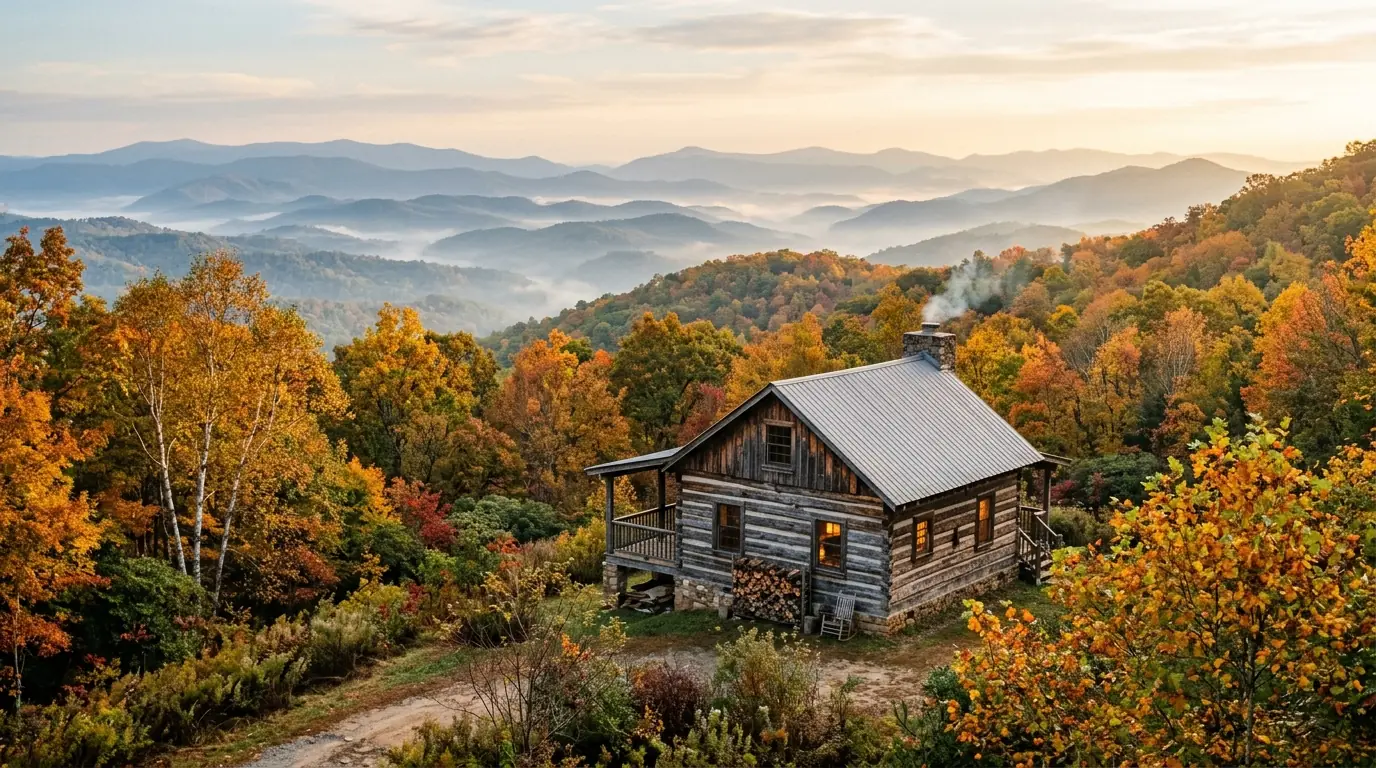
Log construction changes what buyers need to evaluate. The appeal is obvious in the foothills around Dahlonega, Blue Ridge, and the wider North Georgia mountain market: warm wood interiors, porches, and a building style that fits a wooded setting. The useful question is whether the home has been cared for in a way that matches its exposure, slope, and year-round use. This is separate from a search for cabins for sale near Dahlonega; a cabin may use many construction types, while a log home asks specific questions about its exterior system.
Start with the log exterior
Ask for maintenance records and walk the exterior slowly. Look at the lower courses of logs, window and door openings, deck connections, roof transitions, and the sides that receive the most weather. Peeling finish, dark staining, open checks that have not been sealed, soft areas, and vegetation pressed against the walls all deserve professional review. A home can look inviting in a listing photo while still needing a near-term exterior plan.
Maintenance is part of the ownership budget
Plan for exterior refinishing, sealing, and restaining based on the home’s exposure and current finish. Request recent invoices and ask an inspector which portions of the home may need attention first.
Match the house to the site
Mountain terrain can make a well-built house feel very different from a similar home on a level lot. Drive the route in ordinary conditions, not only on a bright weekend. Walk the route after rain if practical, and note whether a low-clearance vehicle would have a different experience. The goal is to know which rural trade-offs belong to the property before the contract becomes the place to discover them. Check whether the driveway is maintained, how water moves away from the foundation, whether there is room to turn around, and how deliveries or service crews reach the house. Buyers comparing North Georgia mountain homes for sale often find that the practical details decide which property fits daily life.
| Question to ask | Why it matters |
|---|---|
| Where does roof and surface water go? | Drainage affects the foundation, lower logs, driveway, and usable outdoor space. |
| What utilities serve the home? | Well, septic, power, internet, and propane arrangements should be verified for the parcel. |
| Who maintains the road? | Private-road terms may affect cost, access, and winter or storm response. |
Documentation is a practical feature
Exterior-treatment records, water tests, septic reports, and receipts for roof or deck work give a buyer a clearer starting point. Missing records do not prove a defect, but they are a reason to make the inspection period more deliberate.
Construction details that deserve a second look
Logs move and check over time. That is not automatically a defect, but gaps, failed chinking, moisture entry, and poorly detailed additions need attention. Review the roof age and flashing, gutters, crawlspace or basement moisture, chimneys, decks, and the joinery around windows. Also ask whether prior owners documented insect treatments, caulking work, or repairs at log ends. A small maintenance record can explain a condition that otherwise leaves a buyer guessing. If the property uses a well and septic system, include those inspections in the due-diligence window. The same discipline applies to what to know before buying a North Georgia mountain home: verify the systems that make the property work on an ordinary weekday.
Resale and lifestyle trade-offs
Log homes can attract buyers who specifically want the construction style, but that can also narrow the audience compared with a conventional house. The best resale setup is usually straightforward: usable access, a maintained exterior, a clear utility story, sensible floor plan, and documentation a future buyer can review. Resale is also helped by accurate records. Keep invoices, warranties, inspection reports, and photographs from exterior work in one place. A future buyer may not need every detail, but a clear maintenance timeline can make ordinary wear easier to understand.
Interior character matters too. Some buyers want exposed logs throughout; others prefer a mix of log walls, drywall, updated insulation, and modern mechanical systems. During a showing, separate taste from condition. A dated finish can be changed. Persistent moisture, a difficult drive, or an unclear well or septic history requires a more careful decision.
Before writing an offer, compare more than list price. Estimate the first year of inspection follow-up, exterior work, insurance questions, and any access improvements that the property may reasonably need. The right comparison is between two complete ownership pictures, not two listing photos.
A local search can narrow the choices, but documents and qualified inspections should settle the factual questions. Ask for enough time in the contract to review the records and bring specialists back when the first inspection identifies an issue. In a competitive situation, that can mean deciding early which inspections and records are essential instead of waiving questions that matter to the property.
For buyers relocating from a conventional subdivision, a log home can feel unfamiliar at first. The fundamentals remain recognizable: protect the building from water, maintain the exterior, understand the land, and keep written records. The details simply need a more property-specific review.
Bring a flashlight, comfortable shoes, and enough time to step outside between rooms. Small observations about light, drainage, stairs, and distance from parking can clarify whether the setting genuinely works for your routine.
Avoid assuming a vacation-rental plan will work for any particular home. Verify the HOA’s short-term rental rules in writing before purchase, along with county requirements and any recorded restrictions.
Bring the right questions to a showing
Ask when the exterior was last treated, whether water testing and septic service records are available, how the road is maintained, what internet service is in use, and which systems have been replaced. Clear answers save time later in inspection.
Quick showing checklist
- Walk the exterior from every side.
- Look for drainage paths and vegetation against the walls.
- Test the drive and parking area.
- Request records before the inspection deadline.
Frequently Asked Questions
Are log homes common in North Georgia?
They appear across the mountain region, especially in wooded and rural settings. Availability changes with current listings, so use a live search rather than assuming a particular county has a fixed supply.
Do log homes require more maintenance?
They require different maintenance. Exterior finish, sealing, drainage, and insect prevention deserve regular attention, and the work should be planned rather than deferred.
What should a log-home inspection include?
It should cover the structure, roof, moisture paths, exterior finish, wood condition, windows, chimneys, decks, well, septic, and site drainage where applicable.
Are cracks in logs always a problem?
No. Checking can occur naturally, but an inspector should assess open gaps, moisture entry, failed sealant, and any signs of decay.
Can I buy a log home with a well and septic system?
Yes, when those systems suit the parcel and have been evaluated. Obtain a water test and septic inspection rather than relying on descriptions alone.
How do I evaluate a mountain driveway?
Drive it yourself, check turning space and drainage, and review responsibility for maintenance. Conditions after rain can reveal more than a listing photograph.
Are log homes good for a vacation rental?
Do not assume so. Verify the HOA’s short-term rental rules in writing before purchase, along with county rules and recorded restrictions for that parcel.
What affects log-home resale?
Condition, access, location, maintenance records, utilities, and buyer preference all matter. A documented maintenance history can make future evaluation easier.
Should I use a specialist inspector?
A general home inspection is useful, and a professional familiar with log construction can add perspective on wood condition and exterior maintenance.
What records should I request?
Request exterior-treatment invoices, repair records, roof information, utility details, well and septic documents, surveys, and any HOA or road-maintenance agreements.
Ready to compare the right properties?
Log-home details are easier to evaluate when the search starts with the site and the building system. Compare North Georgia log homes with Gold Peach Realty or call (770) 283-1223.