• Log Homes for Sale in North Georgia: What Buyers Should Check

    Log Homes for Sale in North Georgia: What Buyers Should Check

    Quick answer (TL;DR)

    Log homes for sale in North Georgia deserve a closer look at the wood as well as the view. Buyers should inspect the exterior finish, drainage, roof details, insect history, access, utilities, and recorded restrictions before comparing kitchens or square footage. A sound log home can be practical and durable, but its maintenance plan should be part of the purchase decision.

    North Georgia log-home buyers should evaluate exterior condition, site drainage, access, utilities, and maintenance records before making an offer.

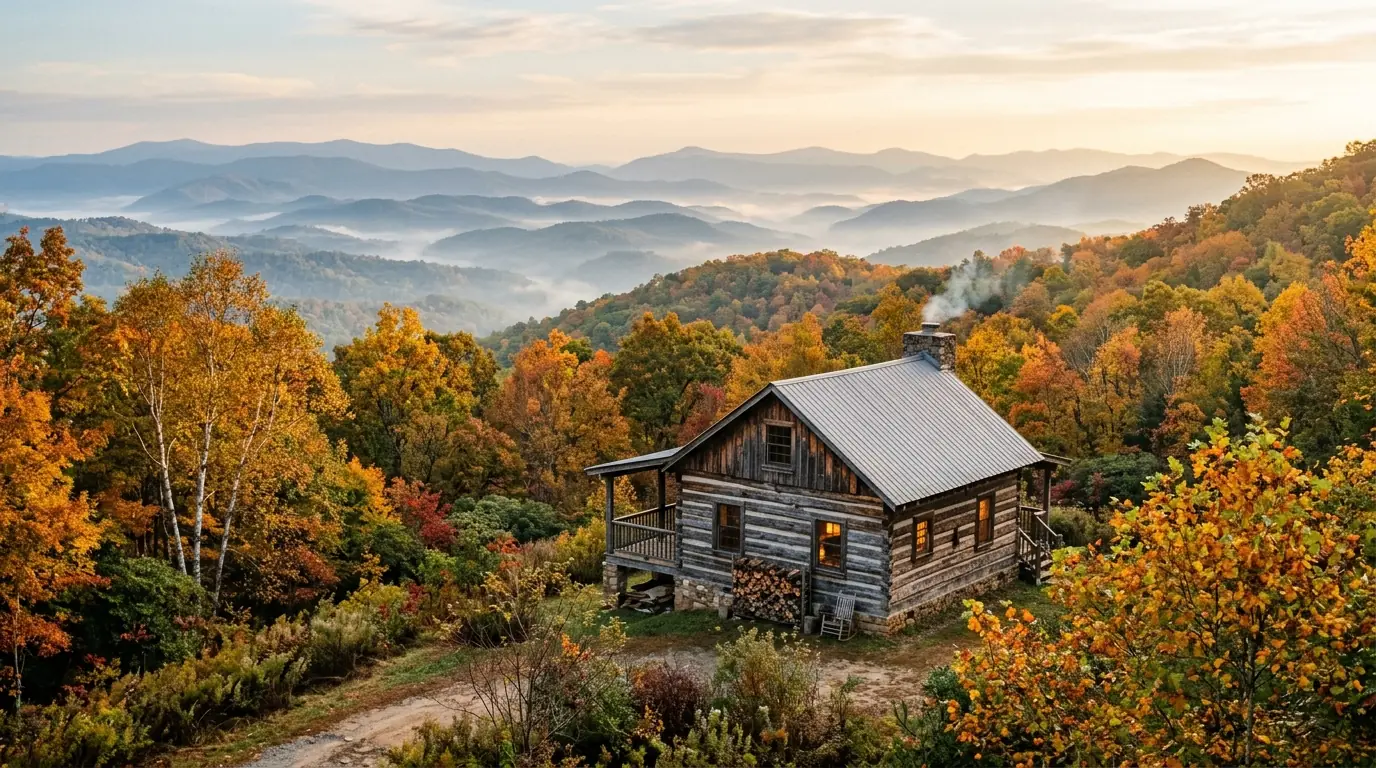
    Log construction changes what buyers need to evaluate. The appeal is obvious in the foothills around Dahlonega, Blue Ridge, and the wider North Georgia mountain market: warm wood interiors, porches, and a building style that fits a wooded setting. The useful question is whether the home has been cared for in a way that matches its exposure, slope, and year-round use. This is separate from a search for cabins for sale near Dahlonega; a cabin may use many construction types, while a log home asks specific questions about its exterior system.

    Start with the log exterior

    Ask for maintenance records and walk the exterior slowly. Look at the lower courses of logs, window and door openings, deck connections, roof transitions, and the sides that receive the most weather. Peeling finish, dark staining, open checks that have not been sealed, soft areas, and vegetation pressed against the walls all deserve professional review. A home can look inviting in a listing photo while still needing a near-term exterior plan.

    Maintenance is part of the ownership budget

    Plan for exterior refinishing, sealing, and restaining based on the home’s exposure and current finish. Request recent invoices and ask an inspector which portions of the home may need attention first.

    Do not treat a fresh stain as proof of condition. It can be routine care, or it can make an older surface harder to judge. Ask what work was completed, by whom, and whether repairs were made before the finish was applied.

    Match the house to the site

    Mountain terrain can make a well-built house feel very different from a similar home on a level lot. Drive the route in ordinary conditions, not only on a bright weekend. Walk the route after rain if practical, and note whether a low-clearance vehicle would have a different experience. The goal is to know which rural trade-offs belong to the property before the contract becomes the place to discover them. Check whether the driveway is maintained, how water moves away from the foundation, whether there is room to turn around, and how deliveries or service crews reach the house. Buyers comparing North Georgia mountain homes for sale often find that the practical details decide which property fits daily life.

    Question to askWhy it matters
    Where does roof and surface water go?Drainage affects the foundation, lower logs, driveway, and usable outdoor space.
    What utilities serve the home?Well, septic, power, internet, and propane arrangements should be verified for the parcel.
    Who maintains the road?Private-road terms may affect cost, access, and winter or storm response.
    Inspection tip: Use inspectors who are comfortable with log construction and mountain-site systems. General inspection is valuable, but the right specialist can explain whether a finding is cosmetic, routine maintenance, or a larger repair question.

    Documentation is a practical feature

    Exterior-treatment records, water tests, septic reports, and receipts for roof or deck work give a buyer a clearer starting point. Missing records do not prove a defect, but they are a reason to make the inspection period more deliberate.

    Construction details that deserve a second look

    Logs move and check over time. That is not automatically a defect, but gaps, failed chinking, moisture entry, and poorly detailed additions need attention. Review the roof age and flashing, gutters, crawlspace or basement moisture, chimneys, decks, and the joinery around windows. Also ask whether prior owners documented insect treatments, caulking work, or repairs at log ends. A small maintenance record can explain a condition that otherwise leaves a buyer guessing. If the property uses a well and septic system, include those inspections in the due-diligence window. The same discipline applies to what to know before buying a North Georgia mountain home: verify the systems that make the property work on an ordinary weekday.

    A log home should be evaluated as a building system, not as a postcard.

    Resale and lifestyle trade-offs

    Log homes can attract buyers who specifically want the construction style, but that can also narrow the audience compared with a conventional house. The best resale setup is usually straightforward: usable access, a maintained exterior, a clear utility story, sensible floor plan, and documentation a future buyer can review. Resale is also helped by accurate records. Keep invoices, warranties, inspection reports, and photographs from exterior work in one place. A future buyer may not need every detail, but a clear maintenance timeline can make ordinary wear easier to understand.

    Interior character matters too. Some buyers want exposed logs throughout; others prefer a mix of log walls, drywall, updated insulation, and modern mechanical systems. During a showing, separate taste from condition. A dated finish can be changed. Persistent moisture, a difficult drive, or an unclear well or septic history requires a more careful decision.

    Before writing an offer, compare more than list price. Estimate the first year of inspection follow-up, exterior work, insurance questions, and any access improvements that the property may reasonably need. The right comparison is between two complete ownership pictures, not two listing photos.

    A local search can narrow the choices, but documents and qualified inspections should settle the factual questions. Ask for enough time in the contract to review the records and bring specialists back when the first inspection identifies an issue. In a competitive situation, that can mean deciding early which inspections and records are essential instead of waiving questions that matter to the property.

    For buyers relocating from a conventional subdivision, a log home can feel unfamiliar at first. The fundamentals remain recognizable: protect the building from water, maintain the exterior, understand the land, and keep written records. The details simply need a more property-specific review.

    Bring a flashlight, comfortable shoes, and enough time to step outside between rooms. Small observations about light, drainage, stairs, and distance from parking can clarify whether the setting genuinely works for your routine.

    Avoid assuming a vacation-rental plan will work for any particular home. Verify the HOA’s short-term rental rules in writing before purchase, along with county requirements and any recorded restrictions.

    Bring the right questions to a showing

    Ask when the exterior was last treated, whether water testing and septic service records are available, how the road is maintained, what internet service is in use, and which systems have been replaced. Clear answers save time later in inspection.

    Quick showing checklist

    1. Walk the exterior from every side.
    2. Look for drainage paths and vegetation against the walls.
    3. Test the drive and parking area.
    4. Request records before the inspection deadline.

    Frequently Asked Questions

    Are log homes common in North Georgia?

    They appear across the mountain region, especially in wooded and rural settings. Availability changes with current listings, so use a live search rather than assuming a particular county has a fixed supply.

    Do log homes require more maintenance?

    They require different maintenance. Exterior finish, sealing, drainage, and insect prevention deserve regular attention, and the work should be planned rather than deferred.

    What should a log-home inspection include?

    It should cover the structure, roof, moisture paths, exterior finish, wood condition, windows, chimneys, decks, well, septic, and site drainage where applicable.

    Are cracks in logs always a problem?

    No. Checking can occur naturally, but an inspector should assess open gaps, moisture entry, failed sealant, and any signs of decay.

    Can I buy a log home with a well and septic system?

    Yes, when those systems suit the parcel and have been evaluated. Obtain a water test and septic inspection rather than relying on descriptions alone.

    How do I evaluate a mountain driveway?

    Drive it yourself, check turning space and drainage, and review responsibility for maintenance. Conditions after rain can reveal more than a listing photograph.

    Are log homes good for a vacation rental?

    Do not assume so. Verify the HOA’s short-term rental rules in writing before purchase, along with county rules and recorded restrictions for that parcel.

    What affects log-home resale?

    Condition, access, location, maintenance records, utilities, and buyer preference all matter. A documented maintenance history can make future evaluation easier.

    Should I use a specialist inspector?

    A general home inspection is useful, and a professional familiar with log construction can add perspective on wood condition and exterior maintenance.

    What records should I request?

    Request exterior-treatment invoices, repair records, roof information, utility details, well and septic documents, surveys, and any HOA or road-maintenance agreements.

    Ready to compare the right properties?

    Log-home details are easier to evaluate when the search starts with the site and the building system. Compare North Georgia log homes with Gold Peach Realty or call (770) 283-1223.
  • North Georgia Mountain Homes for Sale: Views, Access, and Honest Trade-Offs

    North Georgia Mountain Homes for Sale: Views, Access, and Honest Trade-Offs

    Quick answer (TL;DR)

    North Georgia mountain homes for sale vary most in access, view protection, utilities, and upkeep. Start with the terrain and the drive, then inspect water, septic, drainage, internet, insurance, and any recorded restrictions. A beautiful view matters, but the right property must also work on an ordinary wet weekday.

    The strongest mountain-home search compares access, slope, utilities, drainage, and restrictions before finishes. North Georgia buyers should judge the property in person and verify every system that affects daily use.

    AccessRoad surface, grade, turns, and service access
    SystemsWater, septic, power, heating, and internet
    TerrainSlope, drainage, trees, and usable outdoor space

    A mountain-home search can begin with a porch view and quickly become a road, water, and drainage decision. In Lumpkin, White, Dawson, and the northern edges of Hall County, two houses with similar interiors may demand very different ownership routines. One may sit on a paved public road with ordinary utility service. Another may depend on a private drive, a well, a septic system, and a steep approach that changes how deliveries and repairs work.

    This guide focuses on those differences. It does not use a fixed listing count or price snapshot because active inventory changes too quickly. Buyers can use it beside current listings, an inspection, recorded documents, and property-specific quotes. For a wider search framework, start with the North Georgia homes for sale buyer guide.

    Start with the part you cannot remodel

    Cabinets and flooring can change. The driveway grade, road approach, drainage path, and orientation of the home are harder to change. Walk the land and drive the route before treating cosmetic finishes as the deciding factor.

    Which North Georgia mountain setting fits the way you live?

    Ridge and hillside homes put the view first

    Homes on a ridge or hillside may open toward layered foothills and longer sunset views. They may also bring wind exposure, steeper walks, limited flat yard space, and more complicated exterior work. Ask where vehicles turn around, where guests park, and whether a service truck can reach the house. Look below decks and retaining areas rather than viewing the slope only from inside.

    A view should be evaluated as a current condition, not a permanent promise. Trees grow, neighboring parcels can change, and recorded rights may affect what can be cleared. A survey and title review can help identify boundaries and easements. No listing photograph can settle those questions.

    Valley and lower-slope homes trade distance for convenience

    A lower-slope property may have a gentler driveway, easier yard access, and a shorter path to main roads. The trade-off can be less dramatic views or more attention to water movement. After rain, note where runoff crosses the drive, whether water sits near the foundation, and how ditches and culverts carry it away. A dry inspection day can hide the most useful clues.

    Quick answer: ridge or lower slope?

    Choose the ridge when the view is worth the access and maintenance routine. Choose the lower slope when everyday driving, parking, and usable outdoor space matter more. In both cases, inspect drainage and confirm who maintains the road.

    Town-adjacent mountain homes can reduce the daily drive

    Some buyers want mountain character without a long trip to groceries, medical appointments, or work. Properties near Dahlonega, Dawsonville, Cleveland, Helen, and Gainesville can shorten that routine, but the mailing city alone tells little about the actual route. Drive from the house to the places you use, at the times you would normally travel. Curves, school traffic, and a slow final mile can matter more than a simple mileage figure.

    Buyers comparing different exterior forms can review the North Georgia mountain home styles guide before narrowing the list.

    The best mountain home is the one whose view, road, and systems still make sense after the vacation feeling wears off.

    What should you inspect beyond the house itself?

    Property featureWhat to verifyWhy it matters
    Road and drivewayOwnership, maintenance duty, surface, drainage, grade, and turnaroundDaily access and service visits depend on the complete route
    WaterUtility connection or well location, yield, quality, and treatment equipmentWater performance is property specific
    WastewaterSeptic location, permit records, capacity, condition, and service historyFuture repairs and additions may depend on the approved system
    Internet and cell serviceProvider availability at the exact address and an on-site signal testCoverage maps may not reflect the house, slope, or tree cover
    Drainage and slopeRunoff paths, culverts, retaining areas, erosion, and foundation water controlTerrain directs water whether the sky is clear during the showing
    Recorded restrictionsDeed restrictions, easements, road agreements, and community rulesUse and maintenance duties should be confirmed in writing

    Private roads need a paper trail

    Ask whether the access road is public, privately owned, or shared through an easement. If neighbors share it, request the recorded maintenance agreement and recent records. Confirm who handles gravel, grading, culverts, fallen trees, and storm damage. A casual statement that everyone helps is not a substitute for the documents that bind the property.

    Well and septic questions belong early in the search

    Where a home uses a private well, buyers can request available records and arrange appropriate water testing. A septic review should identify the system location, approved capacity, condition, and access for service. The location may affect plans for a pool, garage, addition, or major landscaping. Treat those plans as unconfirmed until the relevant records and professionals support them.

    Do not assume listing language settles property use

    Descriptions such as unrestricted, rental-friendly, or easy access require document review. Verify deed restrictions, community rules, zoning, road agreements, and permit requirements with the proper records and qualified professionals before relying on a proposed use.

    Internet, power, heating, and insurance are address-specific

    Check internet availability with the provider using the exact address, then test service on site when remote work matters. Ask about outage history and backup equipment without assuming a generator or propane system is included or functional. Insurance availability and terms can also differ by construction, roof, access, distance from emergency services, and surrounding vegetation. Obtain a property-specific quote during due diligence.

    How do you compare mountain homes without losing the plot?

    1. Drive the full approach. Use the route you would take regularly and note pavement, turns, shoulders, grade, gates, and places where vehicles can pass.
    2. Walk the site. Look uphill and downhill from the house. Find drainage routes, retaining areas, utilities, septic access, and the usable parts of the yard.
    3. Read the records. Review the survey, deed, easements, road agreements, permits, and community documents that apply to the parcel.
    4. Price the property-specific risks. Get inspection findings and current quotes for insurance, repairs, systems, and any specialist review the property needs.
    5. Repeat the visit. Return at a different time or in different weather when possible. A second look often makes access, noise, light, and water movement easier to judge.

    A disciplined search does not make mountain homes less appealing. It separates the homes that photograph well from the ones that can support your routine. The North Georgia home-buying guide provides a broader contract and due-diligence checklist. Buyers early in the process can also use the North Georgia first-time buyer guide.

    Where should you focus the search?

    Lumpkin County can suit buyers who want Dahlonega access, wooded foothills, and a mix of rural roads and town-adjacent options. White County opens searches around Cleveland and Helen, with mountain terrain and routes toward the Chattahoochee-Oconee National Forest. Dawson County can connect mountain-edge properties with the Dawsonville and Georgia 400 corridor. Hall County has a broader mix near Gainesville, with some northern areas reaching toward foothill terrain and Lake Lanier.

    These are starting points, not shortcuts. County lines do not determine a road surface, view, utility, school assignment, insurance result, or property restriction. Search by the complete property and the weekly route you need. Local landmarks such as Amicalola Falls and Lake Lanier help orient the region, but a home purchase depends on the parcel in front of you.

    Frequently Asked Questions

    What counts as a North Georgia mountain home?

    The phrase usually describes a home in or near the Appalachian foothills with mountain terrain, wooded surroundings, elevation, or a view. It is a search term, not a legal property type, so verify the parcel rather than relying on the label.

    Are mountain-view homes always on steep roads?

    No. Some views come from ridges with manageable approaches, while other homes sit above steep private drives. Drive the full route and inspect the grade, surface, drainage, and turnaround.

    How can I tell whether a mountain view is protected?

    Review the survey, neighboring parcels, easements, recorded restrictions, and any documented view or clearing rights. Do not assume the current view will remain unchanged.

    What should I ask about a private mountain road?

    Confirm ownership, easement rights, maintenance duties, cost-sharing terms, storm response, and access for delivery and emergency vehicles. Request the recorded agreement when one exists.

    Should I test a private well before buying?

    Ask the appropriate inspector or water professional what testing fits the property. Review available records and verify water quality, yield, treatment equipment, and well location.

    Why does septic location matter?

    The tank and drain field need access and protected space. Their location and approved capacity may affect additions, garages, pools, landscaping, and future repair options.

    Can I trust an internet coverage map for a mountain house?

    Use it only as a starting point. Confirm service with the provider at the exact address and test connection and cell signal at the house when coverage matters to your work or safety.

    Do mountain homes cost more to insure?

    Insurance depends on the individual home, construction, roof, access, nearby vegetation, and other underwriting factors. Obtain a current quote for the specific property during due diligence.

    What is the best North Georgia county for a mountain home?

    There is no single best county. Compare the home, route, terrain, systems, and community access in Lumpkin, White, Dawson, and northern Hall County according to your routine.

    What should I verify before making an offer?

    Review access, utilities, water, septic, drainage, survey information, recorded restrictions, insurance availability, and the condition items identified by qualified professionals. Contract terms should preserve the due diligence your situation needs.

    Ready to compare North Georgia mountain homes?

    Gold Peach Realty can help you search by access, terrain, systems, and the locations that fit your week. Call (770) 283-1223 or begin with current North Georgia inventory.

    Browse North Georgia mountain homes with Gold Peach Realty
  • Dahlonega or Gainesville: Which Base Fits Your Budget?

    Dahlonega or Gainesville: Which Base Fits Your Budget?

    Quick answer (TL;DR)

    Choose Dahlonega when a smaller mountain-city search, rural edges, and a quieter daily pattern fit your plan. Choose Gainesville when you want a broader housing mix and more direct access to Hall County job and service corridors. In either market, compare the actual home, route, utilities, insurance, and restrictions before judging value.

    Dahlonega often suits buyers who want a smaller mountain-city search. Gainesville often suits buyers who need a broader housing mix and stronger access to Hall County routes and services. The better choice depends on the home and the trips you make every week.

    DahlonegaSmaller-city and rural-edge search
    GainesvilleBroader Hall County housing mix
    Best fitThe home and route your week requires

    Dahlonega and Gainesville can both work as a North Georgia home base, but they solve different buyer problems. Dahlonega tends to put a smaller city, mountain foothills, and rural properties at the center of the search. Gainesville opens a wider Hall County map with established neighborhoods, newer subdivisions, lake-area properties, and more varied housing types. Compare which search area gives your household the right home without creating a costly weekly routine.

    This guide keeps the comparison focused on buyer math: housing mix, budget pressure, commute routes, property upkeep, and resale flexibility. Inventory changes too quickly for a fixed price claim to stay useful. Treat every current listing as a fresh data point, and compare complete monthly and near-term ownership costs instead of asking price alone.

    What changes when you move the search from Dahlonega to Gainesville?

    Dahlonega narrows the map and widens the property questions

    A Dahlonega search often moves quickly from in-town streets to wooded roads, mountain foothills, and unincorporated parts of Lumpkin County. That can be appealing when a buyer wants more separation between homes or does not need a large commercial corridor close by. It also puts more weight on due diligence. Road type, driveway grade, internet service, well or septic systems, drainage, and emergency access can matter as much as the floor plan.

    Older homes and rural-edge properties deserve a careful condition review. A lower asking price may reflect dated systems, difficult access, or work that is easy to miss in listing photos. Buyers who want a closer look at the local market can use this Dahlonega home-price and buyer guide as a starting point, then verify every current figure against active inventory.

    Gainesville expands the map and the number of tradeoffs

    Gainesville and the surrounding Hall County area give buyers more ways to structure a search. Depending on the location, the mix may include older in-town homes, suburban neighborhoods, townhomes, newer construction, and properties influenced by Lake Lanier. That variety is useful, but it makes the word “Gainesville” too broad to function as a single market assumption. Two homes with the same city name can produce very different drives, school assignments, utility arrangements, and insurance questions.

    The Gainesville home-buying guide covers the local search in more detail. Gainesville may offer more inventory types, while Dahlonega may make it easier to define a smaller geographic search. Neither advantage matters if the individual property misses the buyer’s practical needs.

    Build two saved searches, not one vague North Georgia search

    Use the same nonnegotiables in both cities: maximum comfortable payment, minimum condition, required bedrooms, road tolerance, internet needs, and the trips that must remain manageable. This makes the difference between the markets visible without relying on general impressions.

    How should a buyer compare price tiers without chasing a stale median?

    Citywide median prices are blunt tools for this decision. They blend different property types, lot sizes, conditions, and locations, and they can move as the mix of closed sales changes. A better method is to create the same budget bands in both markets on the same day, then review what each band actually contains.

    Buyer lensDahlonega searchGainesville searchWhat to verify
    Entry budgetWatch for older homes, smaller footprints, and properties farther from the city center.Compare smaller homes, attached options, and outer Hall County locations.Condition, utilities, insurance, monthly fees, and immediate repairs.
    Middle budgetCompare in-town convenience with newer or larger homes outside town.Compare established neighborhoods with newer subdivisions and different commute routes.Total payment, road access, service providers, and likely maintenance.
    Higher budgetSeparate the value of land, views, custom features, and privacy.Separate lake influence, neighborhood amenities, location, and finish level.Resale audience, property-specific risks, restrictions, and ongoing upkeep.
    Do not compare list prices without comparing the property behind them

    A polished home on an easier route may be the safer household choice even when another property has a lower asking price. Get inspections and insurance guidance for the specific home. For a Lake Lanier property, verify shoreline status and any dock permissions with the U.S. Army Corps of Engineers rather than assuming a dock transfers or can be added.

    Buyer math

    Start with your fixed weekly trips, then compare homes that fit those routes. A cheaper asking price can lose its appeal if the drive, repairs, utilities, or insurance strain the household budget. A higher asking price may still be the steadier choice when the property needs less immediate work.

    Which city makes more sense for your weekly routes?

    Commute comparisons should begin with addresses, not city labels. Dahlonega buyers commonly pay attention to connections through local state routes and the GA-400 corridor. Gainesville buyers may depend more on I-985, US-129, local Hall County roads, or routes around Lake Lanier. Traffic direction and the side of town can change the practical result.

    List the places your household reaches every week: work, school, medical appointments, groceries, family, and recurring activities. Test those drives during the hours you would actually make them. A weekend map check can hide a weekday bottleneck. If remote work is part of the plan, verify service at the exact address. Coverage maps and a neighbor’s experience are helpful, but neither replaces a provider check for the property.

    Buyers who are still organizing the process can use this North Georgia first-time buyer guide to build a consistent checklist before touring both markets.

    The winning city is the one where the right house still works after you test the ordinary Tuesday, not the scenic Saturday.

    How does the inventory mix affect maintenance and risk?

    Compare systems before finishes

    Fresh paint and a renovated kitchen are easy to compare. Septic capacity, roof life, drainage, retaining walls, private-road obligations, HVAC age, and electrical work take more effort. Those systems can reshape the first years of ownership. In a more rural Dahlonega search, well, septic, slope, and road access may appear more often. In Gainesville, buyers may encounter a wider mix of sewer and septic properties, neighborhood covenants, attached housing rules, and lake-related questions.

    That does not make one market riskier. It means the inspection plan should follow the property type. A buyer looking at a wooded mountain home needs a different checklist from someone considering an attached home or a house near the lake. Ask the inspector, lender, insurer, and closing attorney questions tied to the actual property instead of applying one citywide checklist.

    Read restrictions before assigning value

    Restrictions can affect parking, exterior changes, rental plans, accessory structures, and future additions. Request the current recorded documents and any association materials before the due-diligence deadline. Do not treat a listing description or verbal summary as the final authority. If a property has no association, buyers should still review recorded easements, shared-road agreements, and county requirements that may affect intended use.

    What should you compare during the same week?

    A clean comparison uses current homes viewed in a tight time window. Pick a small group in each market that meets the same core requirements. Score each property on condition, route, utilities, insurance questions, restrictions, and near-term work. Keep cosmetic preferences separate so they do not overpower expensive practical issues.

    • Search shape: Decide whether you are open to rural roads, attached housing, lake influence, or only conventional neighborhoods.
    • Route test: Drive the important trip at the hour it normally happens.
    • Property systems: Compare roof, structure, water, wastewater, electrical, HVAC, drainage, and access.
    • Rules: Read recorded restrictions, association documents, and any shared-access agreements.
    • Cash after closing: Keep enough room for repairs, moving, and the maintenance the specific property needs.
    • Exit plan: Consider whether the home’s location and layout are likely to appeal to another buyer if your plans change.

    A buyer may finish this exercise with Dahlonega as the clear choice, Gainesville as the clear choice, or a short list in both. All three outcomes are useful. The comparison has done its job when it narrows the search to homes that fit the household rather than reinforcing a preference built from one afternoon visit.

    Frequently Asked Questions

    Is Dahlonega or Gainesville usually better for a first-time buyer?

    Neither city wins for every first-time buyer. Gainesville may provide a broader mix of housing types, while Dahlonega may suit buyers comfortable with a smaller market and more rural-edge properties. Compare current homes at the same payment comfort level, then weigh condition, route, utilities, and cash needed after closing.

    Does Gainesville always have more homes to choose from?

    Gainesville covers a larger and more varied search area, so buyers may see more property types. Active inventory still changes week by week. Use identical filters in both cities on the same day instead of relying on a general inventory claim.

    Is Dahlonega only for buyers who want acreage?

    No. Dahlonega includes in-town homes and conventional neighborhoods as well as rural and wooded properties. The mix available at a buyer’s budget can change quickly, which is why a current saved search is more useful than a stereotype.

    Which city is better if I commute toward Atlanta?

    The answer depends on the exact home, destination, schedule, and route. Test likely addresses during your real commute window. City-to-city estimates can hide local-road time and traffic direction.

    What should I verify on a rural Dahlonega property?

    Check access, driveway grade, water source, septic records and capacity, internet availability, drainage, insurance questions, easements, and any shared-road obligations. Add property-specific inspections when the site or structure calls for them.

    What should I verify near Lake Lanier?

    Review flood and insurance questions, shoreline conditions, access, and any claimed dock permission. The U.S. Army Corps of Engineers manages the dock-permit process, so verify the current status for the specific property in writing.

    Should I use a citywide median price to choose?

    Use it only as background. A median can hide differences in property type, condition, lot, and location. Compare current homes that meet the same requirements and calculate the complete ownership picture for each one.

    How do I compare an older home with newer construction?

    Separate near-term repairs from ongoing costs and contract terms. Inspect the older home carefully. For new construction, review the builder contract, included features, warranty, lot conditions, completion terms, and any association documents.

    Can I rely on listing remarks for restrictions and utilities?

    No. Listing remarks are a starting point. Verify utilities with providers and public records, and review recorded restrictions, association documents, and closing materials before the due-diligence deadline.

    What is the fastest way to decide between the two markets?

    Tour a small matched set in both markets during the same week. Use one scorecard for route, condition, utilities, insurance, restrictions, and near-term work. The pattern usually becomes clearer when the same standards are applied to every home.

    Compare the right homes in both markets

    Gold Peach Realty can help you build a current Dahlonega and Gainesville search around the routes, property types, and ownership questions that matter to your household. Call (770) 283-1223.

    Search all Dahlonega and Gainesville homes for sale at Gold Peach Realty